

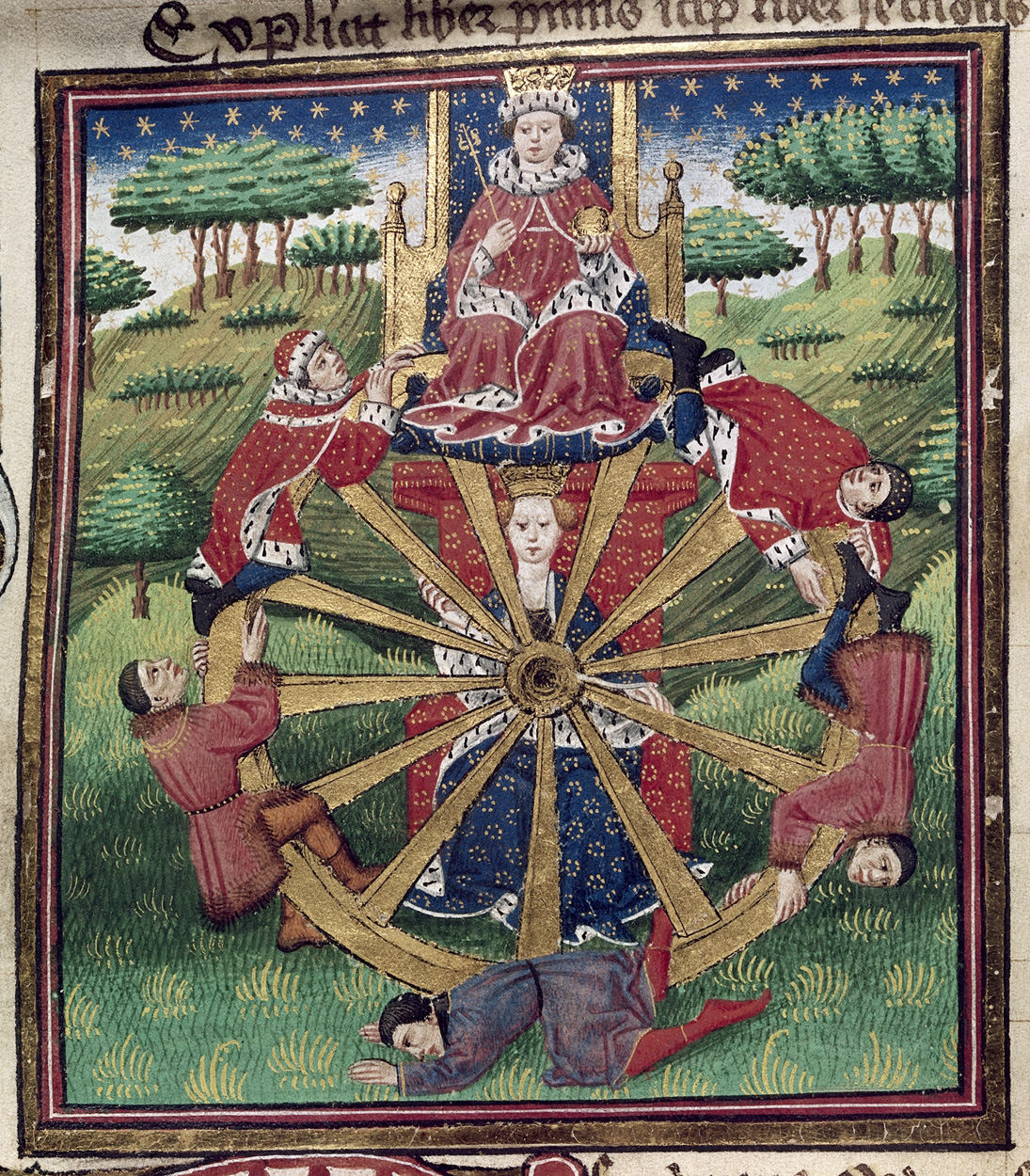
‘The Consolation of Philosophy’ by Boethius
Elias’ Choice
The 5th century philosopher and theologian, Boethius, rots in prison, accused of conspiracy by the Ostrogothic Emperor Theodoric. Lady Philosophy appears to him to console him in his sorry state, leading to discussions of fate and providence, free will, and the problem of evil. Boethius intersperses beautiful poetry to illustrate and support the arguments of philosophy. An easy to read and accessible work of philosophy to guide you on your way!
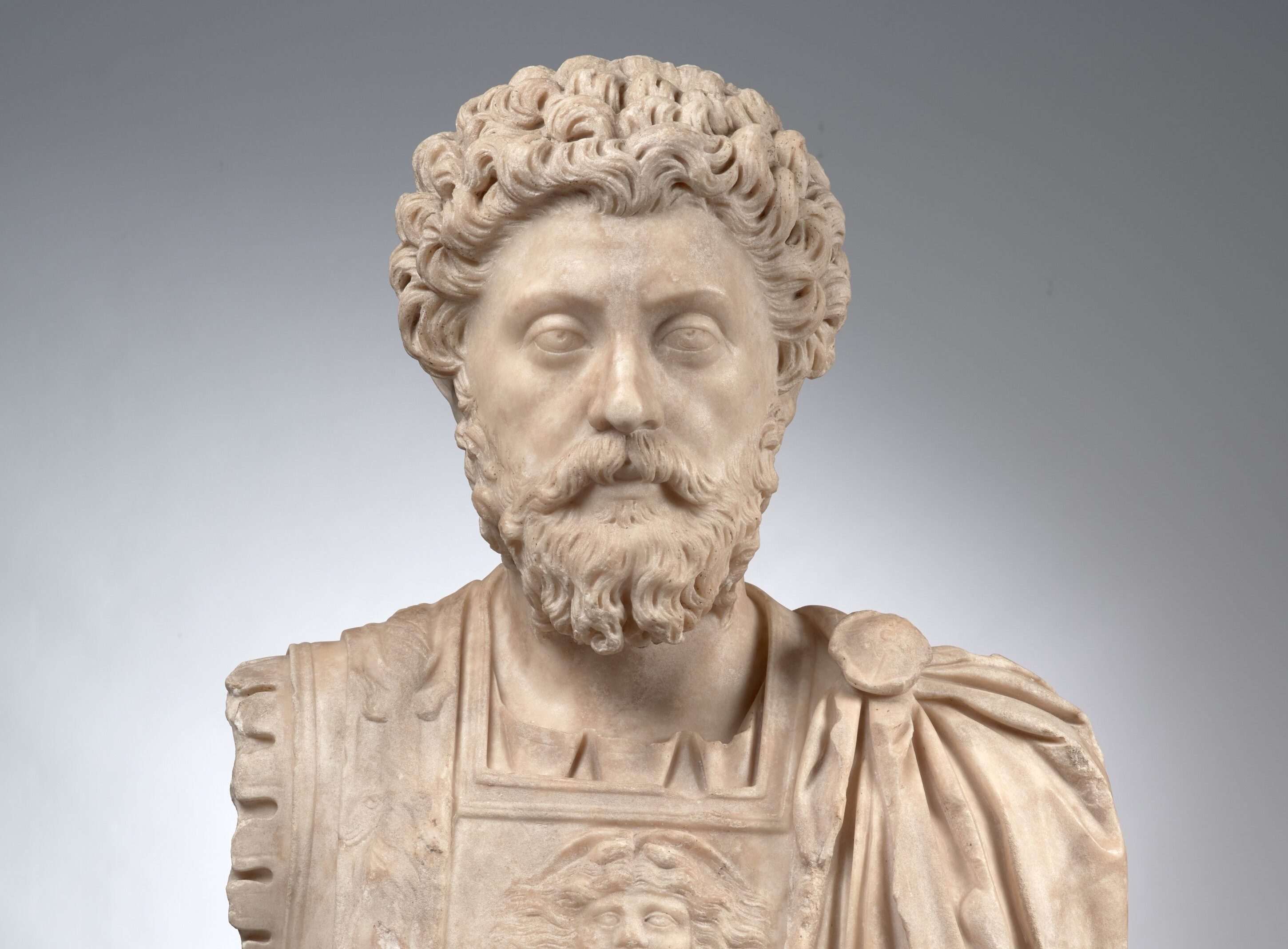
‘Meditations’ by Marcus Aurelius
Phil’s Choice
Meditations by Marcus Aurelius is a collection of the emperor’s private writings. He fleshes out the ideals of stoicism and connects the ability to achieve good with spirituality. “The god inside us” is a common phrase in his writings. Marcus uses it to describe the supernatural quality that prompts to strive for goodness and truth. He outlines how discipline strengthens us against hardship and increase our ability to achieve goodness and be happy.
Whether you are reading this from a secular background or a religious one, Marcus Aurelius’ exploration of virtue and integrity can help direct your life to the good.

‘Faust: A Tragedy’ by Johann Wolfgang Von Goethe
Mark’s Choice
Johann Wolfgang von Goethe’s Faust, published in two parts in the early 19th Century, tells the story of a philosopher named Faust who is dissatisfied with his life and yearns for deeper meaning. In his quest for fulfillment, Faust makes a deal with a devil named Mephistopheles. Faust agreed to trade his soul for unlimited knowledge and worldly pleasures in the hope of finding something that fulfills him. Together, they set out on a mythical journey filled with entertaining adventures, where they encounter literary figures like Thales, a pre-Socratic philosopher, Helen of Troy and many others. Despite experiencing numerous pleasures and achievements, Faust remains invariably unsatisfied. Goethe’s work masterfully blends poetry and philosophy expressing the insurmountable depth of human desire and the inability to be satisfied by the things of this world.
 The Locus